NIGHT WITH OPAH How to Survive and Hide from Opah
Chase discipline, hide spots, and class tools that keep your second heart intact.
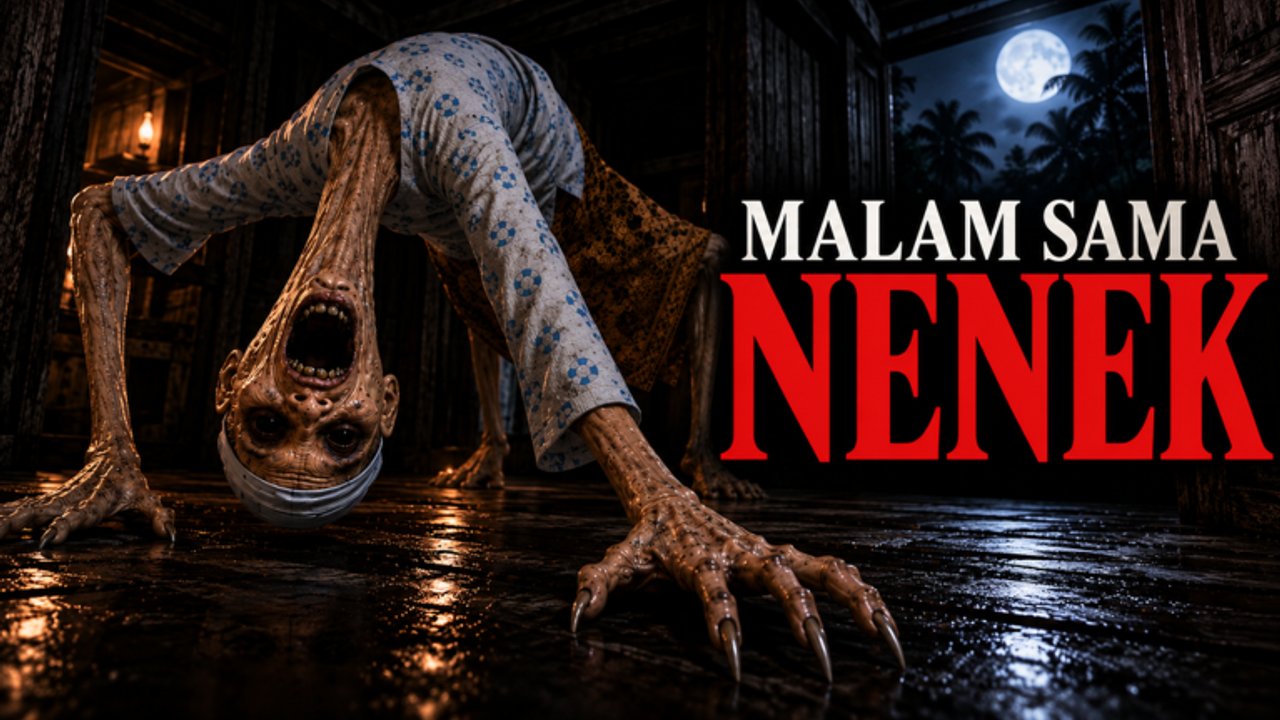
Opah is the reason NIGHT WITH OPAH works. Sabun Studios — kampung horror only clicks when you respect audio, line of sight, and the two-heart rule: first catch costs a heart, second catch ends the run unless you revive. This guide focuses on surviving and hiding so you can finish keys, codes, and even the Secret Ending without donating Robux every wipe.
Pair these habits with objective routing in How to Escape and class picks on the Tier List. Survival without objectives is just delaying a capture ending; objectives without survival never leave the house.
Understand Opah’s pressure
Opah stalks the wooden house while up to 25 players slam drawers. Noise, clustered sprinting, and bottleneck doors pull attention. You will not out-DPS Opah — this is not a fighter sim. You break line of sight, waste her pathing, and return to loot when the audio fades. Think in cycles: loot — audio spike — hide — loot.
After a first catch, your risk budget halves. Play like a courier on overtime, not like a content creator farming scare clips with Jumpscare (19 R$) toys.
Hide fundamentals
- Pre-aim hide spots before you loot a loud room. Know which closet, furniture gap, or corner you will take if footsteps rise.
- Break line of sight first, then hide. Sprinting into a closet while Opah already sees you often fails.
- Stop spamming crouch and camera shakes that scrape furniture audio; settle.
- Leave late, not early. Exiting a hide one second after Opah passes the door is safer than peeking twice.
- Never stack five players in one closet. Overflow bodies clip into view and get everyone caught.
Susanti’s hide/speed kit formalizes what good players already do. Even on Mael or default movement, the same geometry rules apply.
Sound and information
Play with volume high enough to hear pursuit stingers and footsteps. Visual-only players eat first catches. Ehsan’s glowing footprints help you read paths after a chase breaks — use them to avoid rotating into Opah’s return loop. Kak Ros’s lamp is for keys, not direct survival, but finishing objectives faster is itself a survival strategy because less time in the house means fewer rolls of the chase dice.
Watch teammate deaths as information. If three players die on the stairwell, that stairwell is contested — flank or wait.
Class tools for chases
| Class | Survival use |
|---|---|
| Susanti | Hide + speed to break chase loops |
| Raju | 4-second stun traps for emergency unlocks or door crosses |
| Vizo | Firecrackers to redirect attention |
| Mael | Bug spray as accessible peel |
| Ehsan | Footprints to avoid re-aggro paths |
| Doctor Besar | Co-op sustain when friends misplay hearts |
| Kak Ros | Indirect survival via faster key finishes |
Spend Spins from the Codes Hub toward Susanti or Raju if your deaths are chase-heavy rather than “cannot find purple.—Doctor Besar shines when a pre-made stack wants fewer paid revives.
Heart economy and revives
- Heart 2 intact: take moderately risky drawers.
- Heart 1 left: only high-value objectives; ask for peels.
- Downed: decide quickly whether Revive (35 / 49 / 79 R$), Revive Friend (35 R$), or Revive All (69 R$) is worth it based on padlock progress.
Buying Revive All when zero keys exist is usually ego. Buying a single revive when four padlocks are done and the code is known can save a ten-minute investment. VIP (399 R$) does not replace hide skill.
Map habits that reduce catches
- Clear drawers along walls so you can slide into cover without crossing open floors.
- Avoid double-backing through the same hallway Opah just used unless footprints say she left.
- At the padlock board and keypad, pre-place Raju traps or hold Vizo charges — those are death magnets near escape time.
- During secret ritual stands (safe-zone circle), assign peelers who are not on the circle. Stationary players need bodyguards, not roommates.
What not to do
- Do not teabag Opah for clips on your last heart.
- Do not follow the entire lobby in a conga line of footsteps.
- Do not AFK in obvious corner spots after a chase — she often rechecks.
- Do not burn every utility at the first sighting; save one tool for the exit fight.
- Do not trust scripts to auto-hide perfectly — see Scripts for ToS risk; auto-hide failures still cost hearts.
Drills to get better fast
Drill A — One-wing ghost: loot a single wing with a self-imposed rule: first audio spike means hide for five real seconds before moving.
Drill B — Door cross: practice hallway crosses with one stun or spray only, then retreat.
Drill C — Low-heart lock: after any first catch, finish only one objective, then play pure support/peel until extract.
After a week of drills, return to full clears and you will notice Escape rates climb without new Robux spends. New classes and ritual props after November updates change rooms slightly — relearn hide spots when Updates mention map or AI tweaks, and use mid-article video references for visual refreshes.
Linking survival to your goals
- Pure Escape: survive long enough for five colours + code —How to Escape.
- Secret Ending: survive stationary puzzles —Secret Ending.
- Learning account: Getting Started plus Mael/Susanti comfort.
- Co-op climbs: Players Hub role calls.
Opah wins when you rush. You win when you loot in bursts, hide on purpose, spend the first heart as tuition, and refuse to donate the second. Master that rhythm and the kampung house becomes a route — still scary, but solvable.
Frequently Asked Questions
Quick answers for escaping Opah's house.
How many times can Opah catch me?
Two hearts: the first catch costs one heart, the second ends the run unless you buy a revive.
What is the best way to hide from Opah?
Break line of sight, enter a prepared hide spot, stay still until audio fades, and avoid stacking the whole lobby in one closet.
Which class helps most in chases?
Susanti for hide/speed and Raju for stun traps are the top chase tools. Vizo and Mael offer distraction and spray peels.
Should I revive every time I die?
Only when objectives are nearly finished. Early-round revives with zero keys rarely pay off.
Does making noise always attract Opah?
Loud sprints and clustered players increase pressure. Quiet looting and staggered movement reduce chase frequency.